Ask Composite Deck Builders: Composite vs. Pressure-Treated Wood in Hanover, VA
Choosing between composite and pressure-treated wood is one of the most important decisions Hanover, VA, homeowners face when planning a new deck, and the local climate makes that choice especially consequential.
Hanover County sits in central Virginia's humid subtropical zone, with hot, moist summers and winter freeze-thaw cycles. Composite deck builders in Hanover, VA, often field questions about which material holds up better. This guide breaks down both options.
How Virginia's Climate Affects Your Deck Material Choice
Hanover's weather is harder on decking than many homeowners realize. Humid summers, occasional ice storms, and freeze-thaw cycles cause moisture to seep into porous material, expand, and crack it. Natural wood's open grain absorbs moisture readily, while composite materials use protective caps or solid cores that block it out. That difference shows after just a few seasons, which is why many Hanover homeowners choose composite over wood.
Hanover's tree canopy is another local factor. Many yards in communities like Mechanicsville, Ashland, and rural Hanover County have shaded lots. Shaded deck surfaces stay damp longer after rain, which can accelerate mold and mildew growth on untreated or unsealed wood.
Composite vs. Pressure-Treated Wood: A Side-by-Side Look
- Moisture resistance - Composite: high. Pressure-treated wood: moderate (requires sealing).
- Freeze-thaw performance - Composite: strong. Pressure-treated wood: vulnerable without maintenance.
- Maintenance needed - Composite: occasional wash. Pressure-treated wood: annual staining and sealing.
- Typical lifespan - Composite: 25 to 50+ years. Pressure-treated wood: 10 to 15 years.
- Appearance over time - Composite: holds color with minimal fade. Pressure-treated wood: grays, checks, or warps without care.
- Upfront material cost - Composite: higher. Pressure-treated wood: lower.
- Long-term cost - Composite: often lower. Pressure-treated wood: often higher due to upkeep.
Pressure-Treated Wood: Lower Upfront, Higher Ongoing Effort
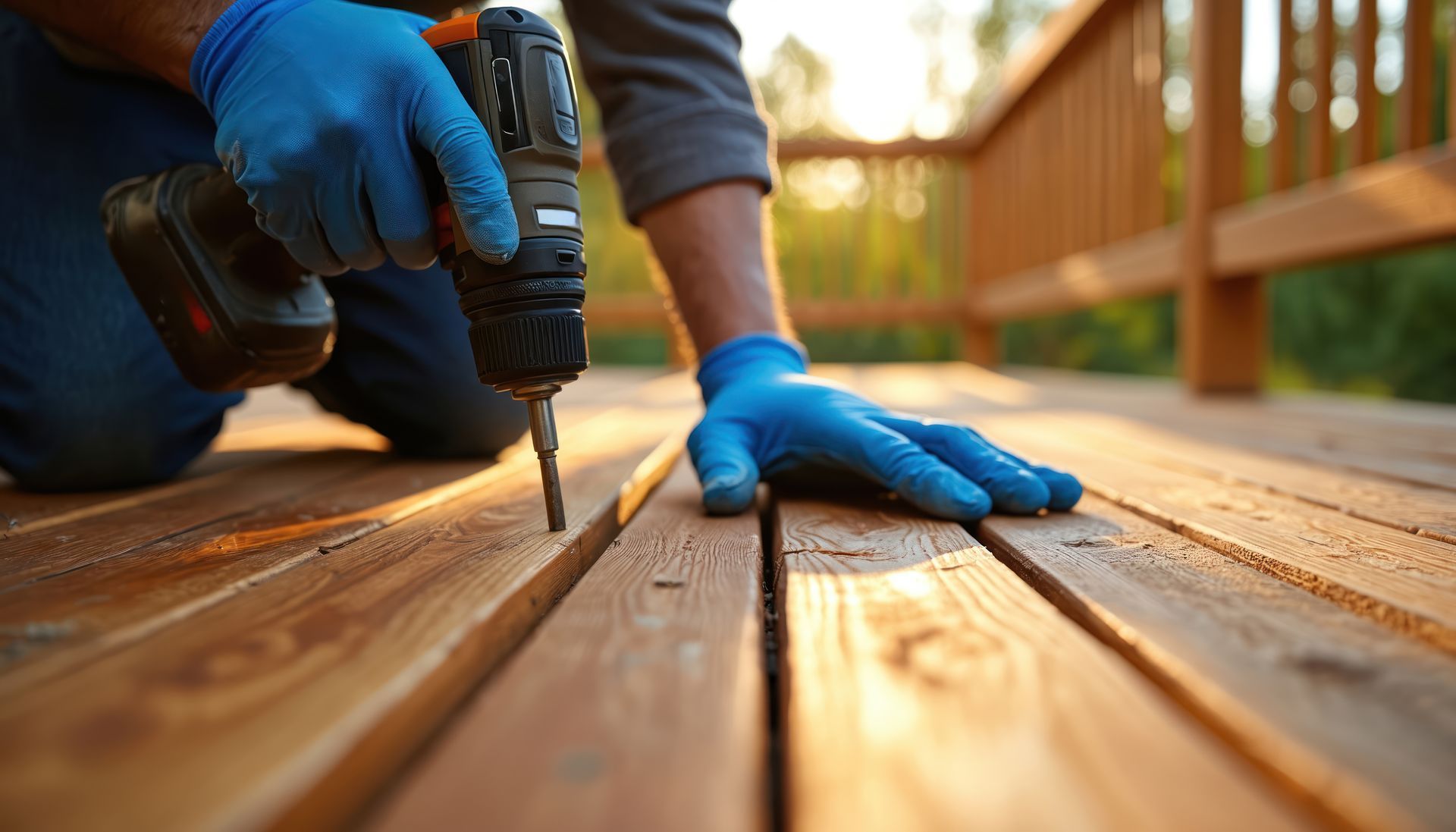
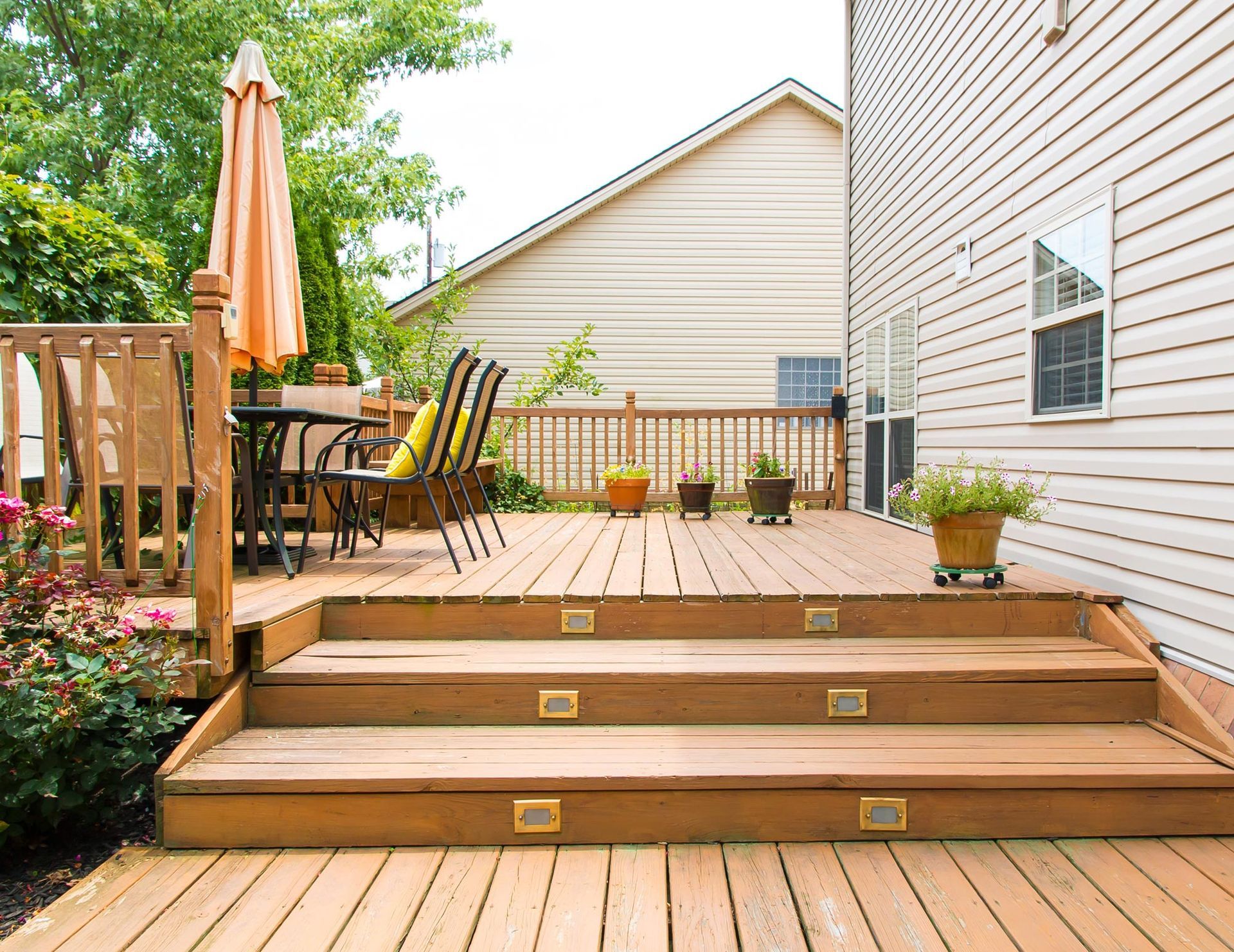
Pressure-treated wood costs less upfront and looks warm and natural right after installation. But wood decks need regular cleaning, staining, and sealing, often annually, to prevent rot, mold, and insect damage. Left untreated, a deck can deteriorate quickly in Hanover's humid climate, with checks and discoloration appearing within a couple of seasons.
Composite Decking: Lower Maintenance, Longer Lifespan
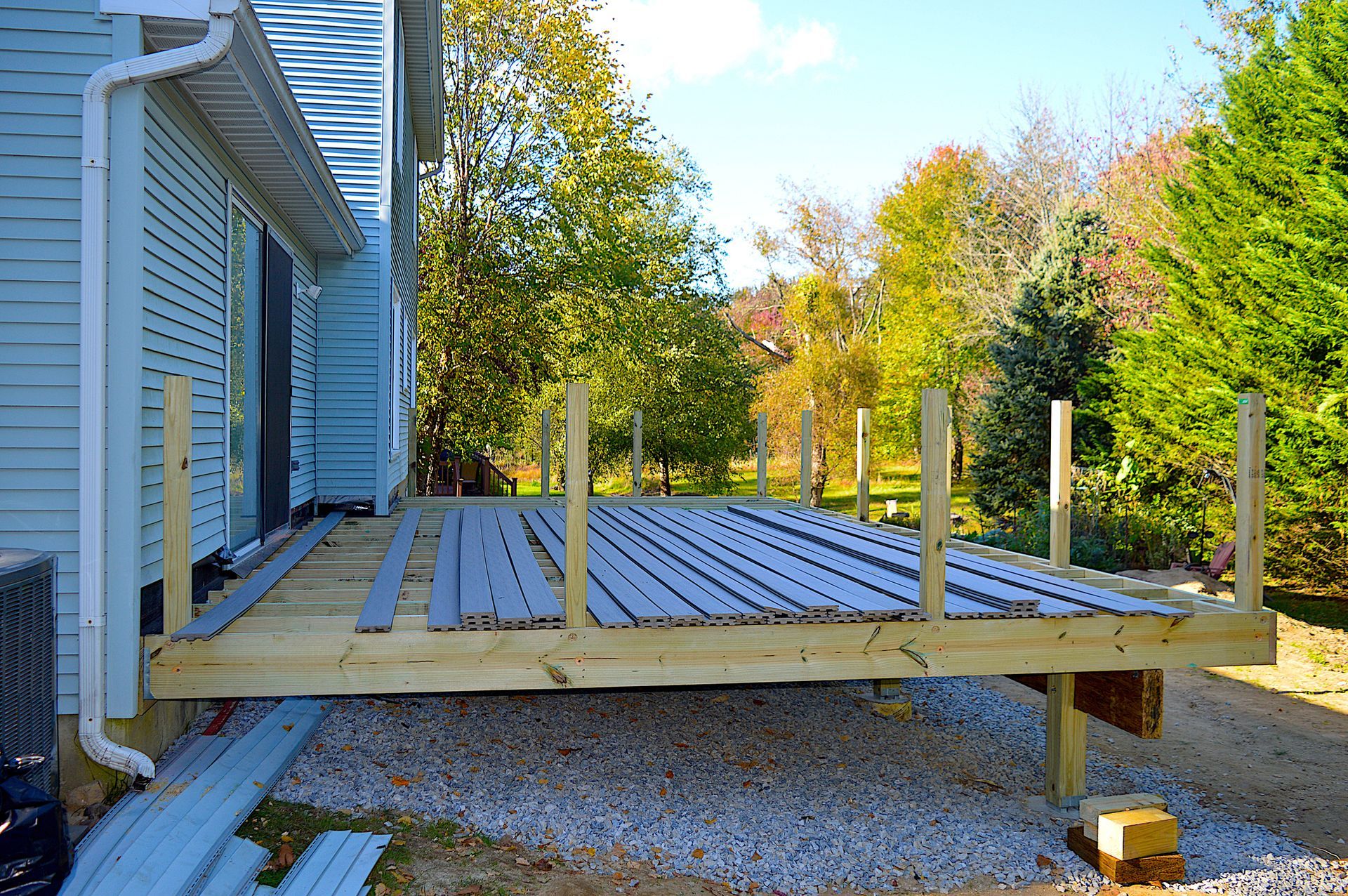
Composite decking blends recycled wood fibers with synthetic materials to provide the look of wood with minimal maintenance. It resists fading, insects, and mold better than most wood products, and upkeep is usually just an occasional wash with soap and water.
For Hanover homeowners with busy schedules or those planning to stay long term, composite often delivers a stronger return on investment. The higher upfront cost is often offset by lower maintenance and a longer lifespan. A trusted contractor can help you weigh that value against your lot and usage. For more options, visit the composite deck builders service page.
Appearance and Customization
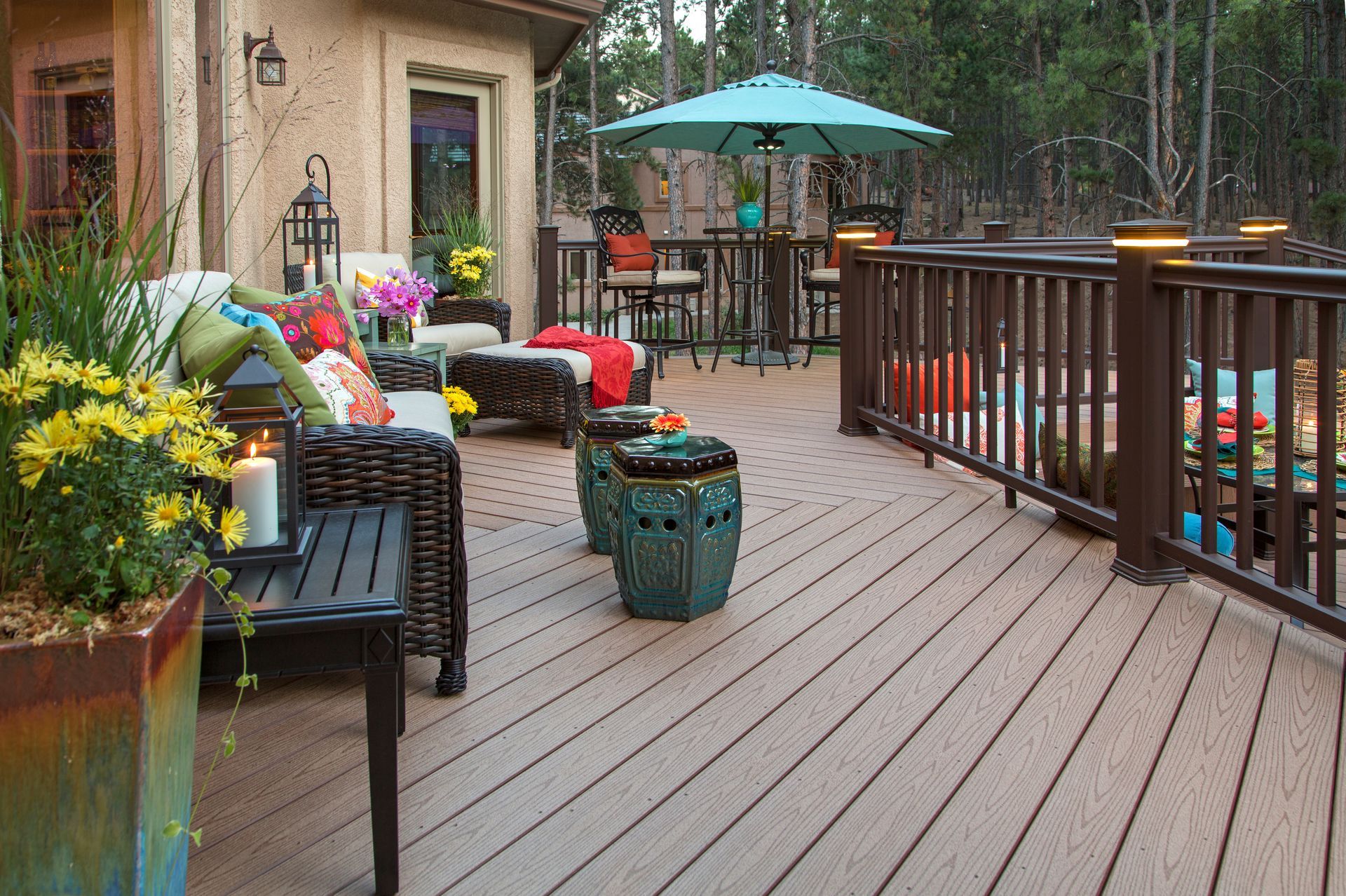
Composite decking comes in a wide range of colors, grain patterns, and finishes that mimic natural hardwood and resist fading. Pressure-treated wood has a natural warmth some homeowners prefer, though it requires ongoing care and will gray without stain. On shaded, wooded lots common in Hanover County, composite's resistance to mold and mildew helps preserve appearance, and an experienced contractor can recommend product lines suited to those conditions.
Hanover County Permit Considerations
Any deck project in Hanover County requires attention to local permitting rules. Permits are required for new structures, alterations, and additions, and applications must include a permit application, construction plans, and a plot plan showing setbacks. Contractors must furnish a valid Virginia contractor's license before issuance.
In the Town of Ashland, there is an additional stormwater fee for new impervious area additions of 50 square feet or more, which includes decks. Working with licensed composite deck builders familiar with Hanover County's process helps ensure smooth approval and code-compliant construction.
Frequently Asked Questions
Is Composite Decking Worth the Higher Upfront Cost in Virginia?
For many Virginia homeowners, composite decking is worth the additional initial investment. Its lower maintenance requirements and longer lifespan often make it more cost-effective over a 15- to 25-year period compared to pressure-treated wood, which typically requires annual upkeep in humid conditions.
Do Composite Decks Require Any Maintenance at All?
Composite decks are low maintenance but not zero maintenance. Most manufacturers recommend an occasional wash with soap and water to remove debris, pollen, and mildew. Shaded areas on wooded Hanover County lots may benefit from more frequent cleaning where moisture lingers.
Can I Get a Permit for a Composite Deck in Hanover County, VA?
Yes. Composite decks require the same building permits as wood decks in Hanover County. Your contractor must hold a valid Virginia contractor's license, and your application will need construction plans, a site plan with setbacks, and a completed building permit application. A licensed builder familiar with local requirements can typically manage this process for you.
Ready to Build Your Deck in Hanover, VA?
The right material depends on your budget, timeline, and how much maintenance you want to take on over the years. Composite tends to offer more long-term durability and lower maintenance for Hanover's humid, four-season climate, while pressure-treated wood may suit homeowners with a tighter initial budget who are prepared to invest time in annual upkeep.
Open Air Escapes serves Hanover, VA, and surrounding areas with expert deck design and construction. As trusted composite deck builders in the region, its team can walk you through material choices, layout options, and the permit process from start to finish. Request a consultation or visit the deck building solutions page to learn more about what is possible for your backyard.